

Digital marketing is a game-changer for small businesses. It levels the playing field, allowing them to compete with larger companies without breaking the bank.
At Kolorfirst LLC, we’ve seen firsthand how effective digital marketing strategies can transform small businesses. This post will guide you through the essentials of digital marketing for small businesses, helping you reach your target audience and grow your brand online.
What Is Digital Marketing for Small Businesses?
The Essence of Digital Marketing
Digital marketing forms the foundation of modern business growth. For small businesses, it’s not just an option-it’s a necessity. At its core, digital marketing uses online channels to reach and engage target audiences. This includes websites, social media presence, email campaigns, and search engine optimization (SEO).
Digital Marketing’s Impact on Small Businesses
Small businesses often face limited budgets and resources. Digital marketing equalizes the playing field, allowing competition with larger companies without excessive costs. It offers targeted reach, measurable results, and the ability to adjust strategies quickly.
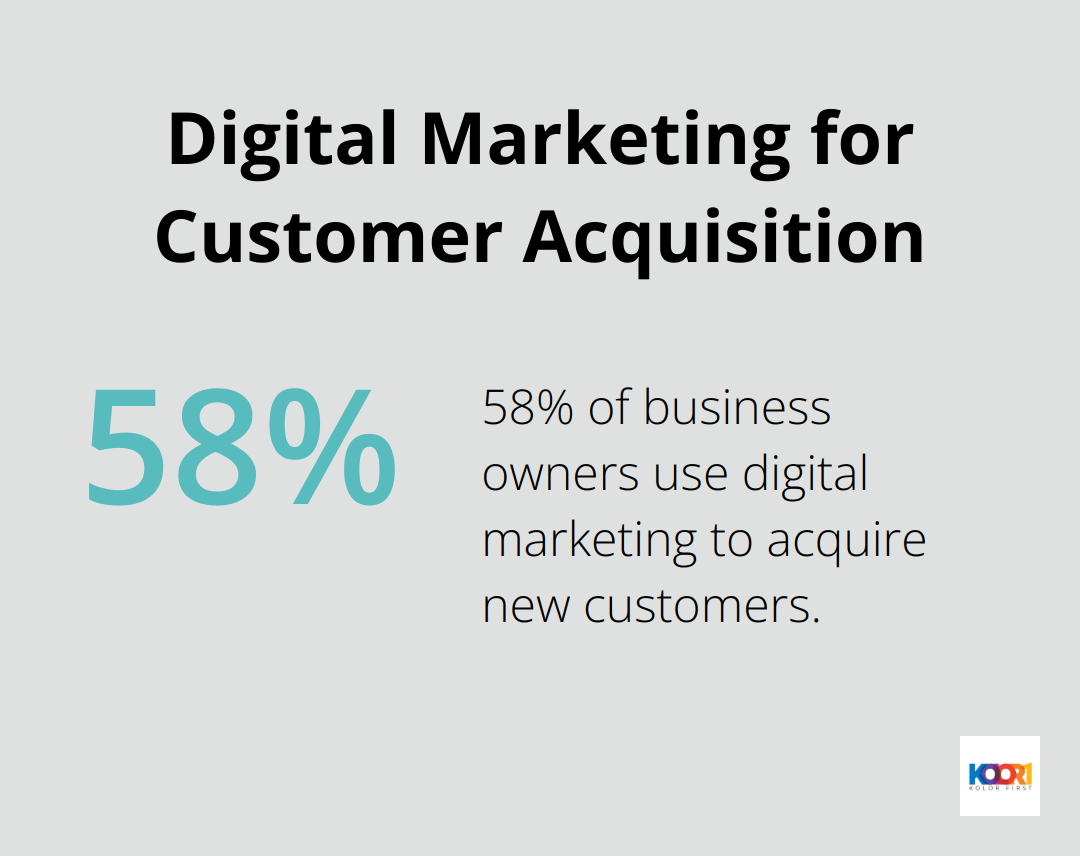
58% of business owners use digital marketing for customer acquisition. This statistic highlights the importance of digital strategies for business growth.
Key Components of a Successful Digital Strategy
A robust digital marketing strategy typically includes several key components:
- Website Optimization: Your website often provides the first impression to potential customers. It must be user-friendly, mobile-responsive, and optimized for search engines.
- Content Marketing: Create valuable, relevant content that addresses your audience’s needs and positions your business as an industry expert.
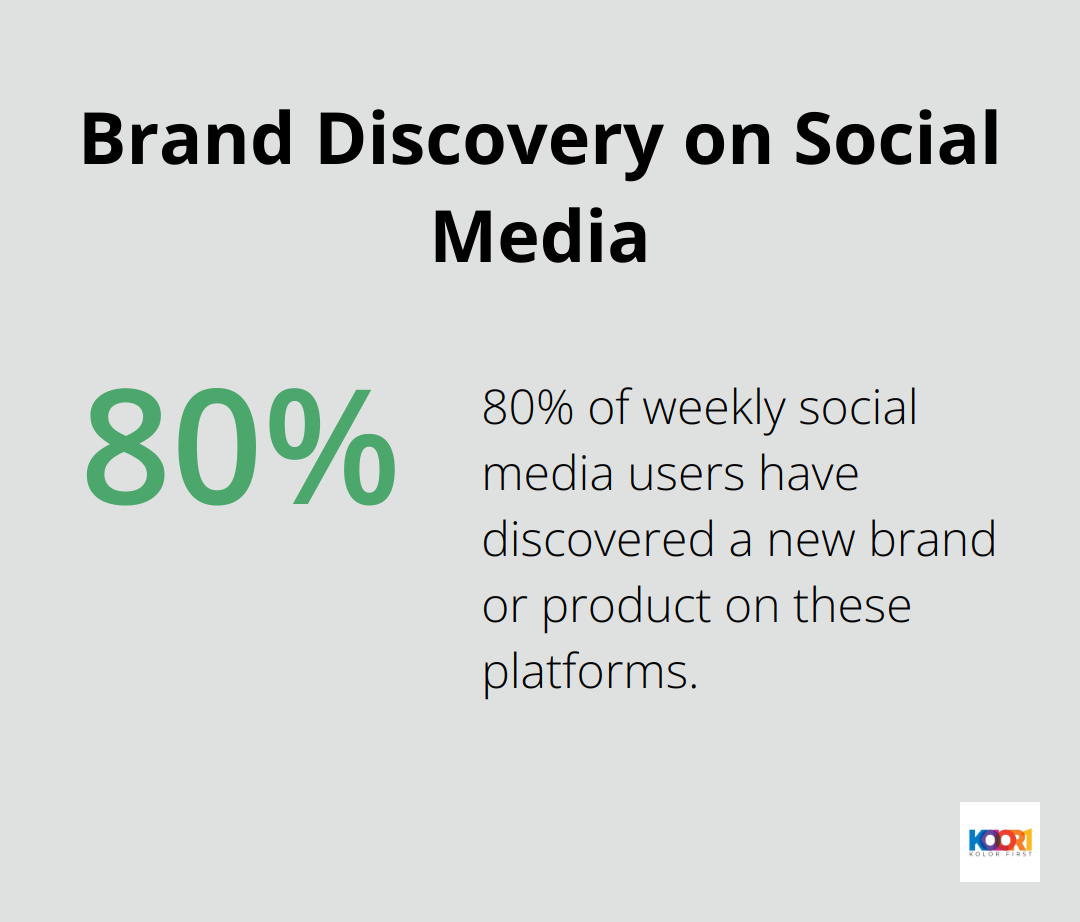
- Social Media Marketing: Engage with your audience on their preferred platforms. About 80% of weekly users have found a new brand or product on social media platforms.
- Email Marketing: Build and nurture your subscriber list. Email marketing offers an impressive ROI.
- Search Engine Optimization (SEO): Improve your visibility in search engine results to drive organic traffic to your website.
Setting Achievable Goals
While digital marketing can yield impressive results, it’s important to set realistic goals. Start by defining clear, measurable objectives that align with your overall business goals. These might include increasing website traffic, generating leads, or boosting online sales.
Digital marketing requires a long-term investment. SEO efforts, for example, can take months to show significant results. Patience and consistency are essential for success.
Getting Started with Digital Marketing
To begin, focus on one or two channels that best align with your target audience and business goals. As you gain traction and learn what works for your business, you can expand your digital marketing efforts across more channels.
The next chapter will explore effective digital marketing channels for small businesses in more detail, providing insights into social media marketing, content creation, email strategies, and local SEO techniques.
Which Digital Marketing Channels Work Best for Small Businesses?
At KolorFirst LLC, we help small businesses thrive through effective digital marketing. Let’s explore the most impactful channels and how to leverage them for your business growth.
Social Media Marketing: Connect With Your Audience
Social media offers powerful opportunities for small businesses. On average, businesses allocate 14.9% of their marketing budget towards social media. Success requires more than regular posting.
Select platforms where your target audience is most active. B2B companies might focus on LinkedIn. Visually-driven businesses could prioritize Instagram or Pinterest. Facebook remains versatile for many industries.
Create a content calendar to maintain consistency. Balance promotional content with valuable, shareable posts that address your audience’s needs. Respond promptly to comments and messages to foster engagement.
Consider social media management tools (like Hootsuite or Buffer) to schedule posts and analyze performance. These tools save time and provide valuable strategy insights.
Content Marketing: Build Authority and Attract Traffic
Content marketing involves creating valuable, relevant content that attracts and retains a defined audience. It’s not just about selling; it’s about providing genuine value.
Start a blog on your website. Focus on topics your audience cares about and optimize your content for search engines.
Expand beyond written content. Videos are increasingly popular. Create how-to videos, product demonstrations, or behind-the-scenes glimpses of your business.
Infographics pack a punch. Use tools like Canva or Piktochart to create eye-catching infographics that simplify complex information.
Email Marketing: Cultivate Relationships and Boost Sales
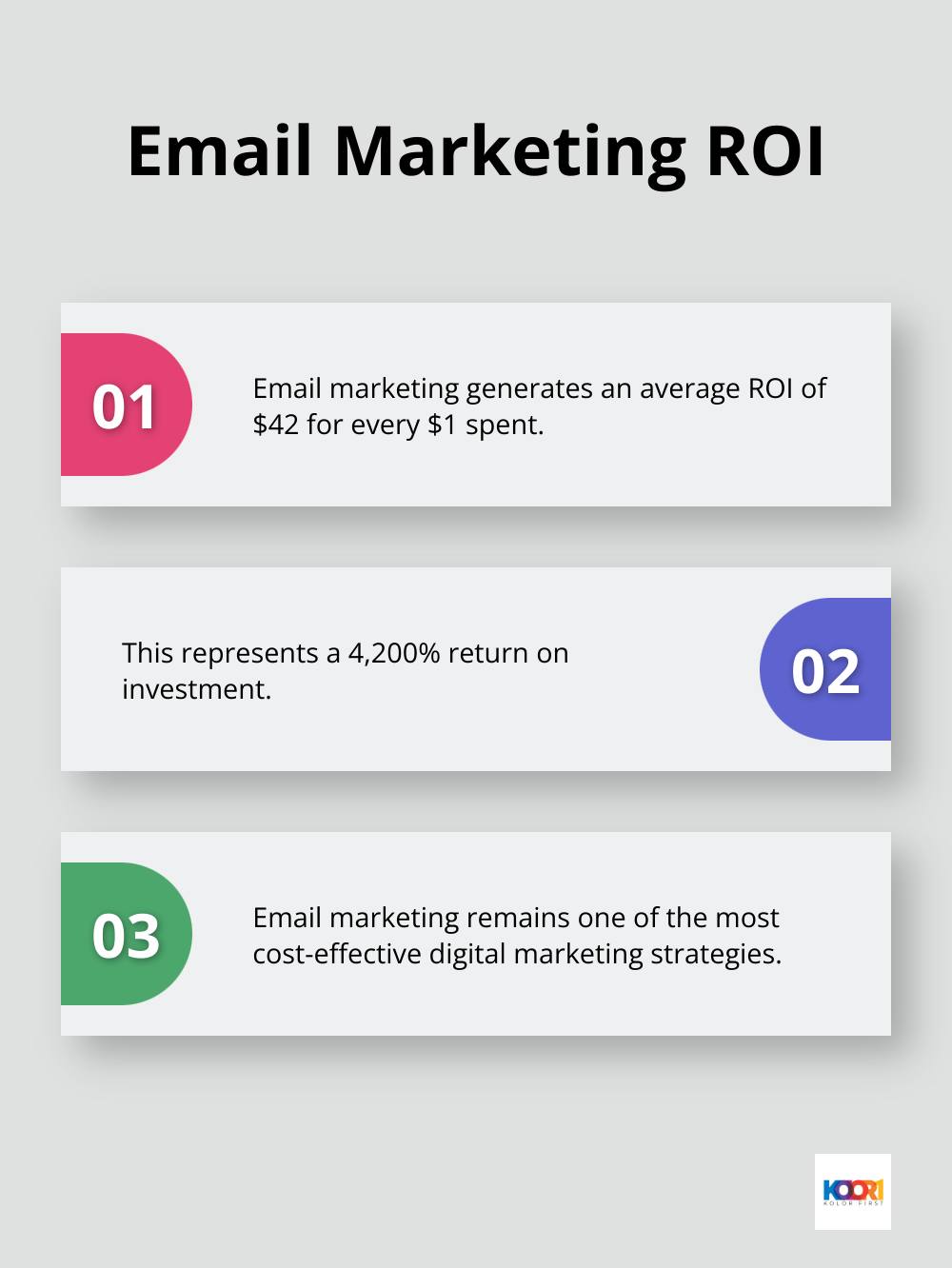
Email marketing remains highly effective, with an average ROI of $42 for every $1 spent. That’s a 4,200% ROI!
Build your email list organically. Offer valuable content like ebooks, webinars, or exclusive discounts in exchange for email addresses. Use sign-up forms on your website and promote your newsletter on social media.
Segment your email list based on subscriber behavior, preferences, or demographics. This allows you to send more targeted, relevant content.
Implement email automation for welcome series, abandoned cart reminders, and post-purchase follow-ups. These automated sequences can significantly boost engagement and sales without constant manual effort.
Local SEO: Dominate Your Geographic Market
For small businesses serving local markets, local SEO is essential.
Claim and optimize your Google My Business listing. Keep your information current, add photos regularly, and encourage customer reviews. Positive reviews improve visibility and influence purchasing decisions.
Optimize your website for local searches. Include your city and state in title tags, meta descriptions, and throughout your content where relevant. Create location-specific pages if you serve multiple areas.
Build local citations by listing in online directories relevant to your industry and location. Maintain consistency in your name, address, and phone number across these listings for local SEO success.
The next chapter will explore how to measure and analyze the success of these digital marketing efforts, ensuring your strategies deliver the best possible results for your small business.
How to Measure Digital Marketing Success
Key Performance Indicators (KPIs) for Small Businesses
Small businesses must track specific metrics to gauge their digital marketing success. Here are some essential KPIs to monitor:
Website Traffic: Your overall traffic provides insights into your online visibility. Pay close attention to organic traffic, which indicates the effectiveness of your SEO efforts.
Conversion Rate: This metric shows the percentage of visitors who complete a desired action on your site (e.g., making a purchase, signing up for a newsletter, or filling out a contact form).
Customer Acquisition Cost (CAC): Calculate your CAC by dividing your total marketing spend by the number of new customers gained in a specific period. This metric helps you understand the cost-effectiveness of your marketing efforts.
Return on Investment (ROI): ROI measures the profitability of your marketing initiatives. Email marketing has the best-estimated ROI at 3,600%, followed by SEO with 2,200%. Digital marketers who calculate their ROI regularly are over-performing compared to those who don’t.
Tools for Tracking and Analysis
To effectively measure your digital marketing success, you’ll need the right tools. Here are some essential ones:
Google Analytics: This tool tracks website traffic, user behavior, and conversions. It provides comprehensive data on traffic sources and user interactions with your site. eCommerce tracking is a powerful Google Analytics feature as it will provide deep dive performance insights across your entire customer journey.
Google Search Console: Use this tool to monitor your site’s performance in Google search results. It reveals which queries drive traffic to your site and helps identify technical SEO issues.
Social Media Analytics: Each platform offers its own analytics tools. Use these to track engagement, reach, and follower growth on your social channels.
Email Marketing Software: Tools like Mailchimp or Constant Contact offer detailed metrics on open rates, click-through rates, and conversions for your email campaigns.
Data-Driven Strategy Adjustments
Once you track the right metrics with the appropriate tools, use that data to refine your strategy:
Identify Top-Performing Content: Analyze which blog posts, social media updates, or email campaigns drive the most engagement and conversions. Create more content similar to your top performers.
Optimize Underperforming Pages: Use tools like Hotjar to observe how users interact with your website. If certain pages have high bounce rates or low conversion rates, consider redesigning them or improving the content.
Refine Your Target Audience: Use the demographic and interest data from your analytics tools to better understand your audience. Adjust your messaging and targeting accordingly.
Allocate Budget Wisely: For paid campaigns, shift more budget towards the channels and ad types that deliver the best ROI.
Adjust strategies with data to make your marketing even more effective. By consistently measuring and analyzing your digital marketing efforts, you can promote greater consumer engagement and improve your overall marketing performance.
Final Thoughts
Digital marketing empowers small businesses to compete effectively in today’s market. Social media, content creation, email campaigns, and local SEO enable companies to reach their target audience and foster growth. Success hinges on understanding customers, delivering value, and maintaining consistent engagement across digital platforms.
Small businesses should start with one or two channels that align with their goals and audience. Regular analysis of metrics and strategy adjustments will maximize marketing efforts. As confidence grows, businesses can explore additional strategies to enhance their online presence.
At Kolorfirst LLC, we specialize in digital marketing for small businesses. Our expert team develops tailored strategies to meet specific needs and objectives. We support businesses at every stage, from beginners to those seeking to elevate their digital marketing game.