


Marketing performance directly impacts your bottom line, yet 73% of companies struggle to measure their campaigns effectively. Most businesses waste budget on tactics that don’t convert.
We at Kolorfirst LLC have identified proven ways to improve marketing performance through data-driven strategies. This guide shows you how to track the right metrics, optimize your channels, and turn analytics into actionable growth.
Which Metrics Actually Drive Revenue Growth
The Problem with Vanity Metrics
Most marketers track vanity metrics that look impressive but don’t impact revenue. These surface-level numbers create false confidence while real performance suffers. Customer acquisition cost remains the most telling metric as it measures the total marketing and sales expenses a business incurs in acquiring a new customer.
Revenue Attribution That Matters
Revenue attribution shows exactly which campaigns generate sales by determining which interactions influence a customer to purchase from your brand. Companies that use proper attribution models reduce wasted ad spend by focusing budget on channels that actually convert prospects into paying customers. This approach eliminates guesswork and provides clear insights into campaign effectiveness.
Customer Value Calculations
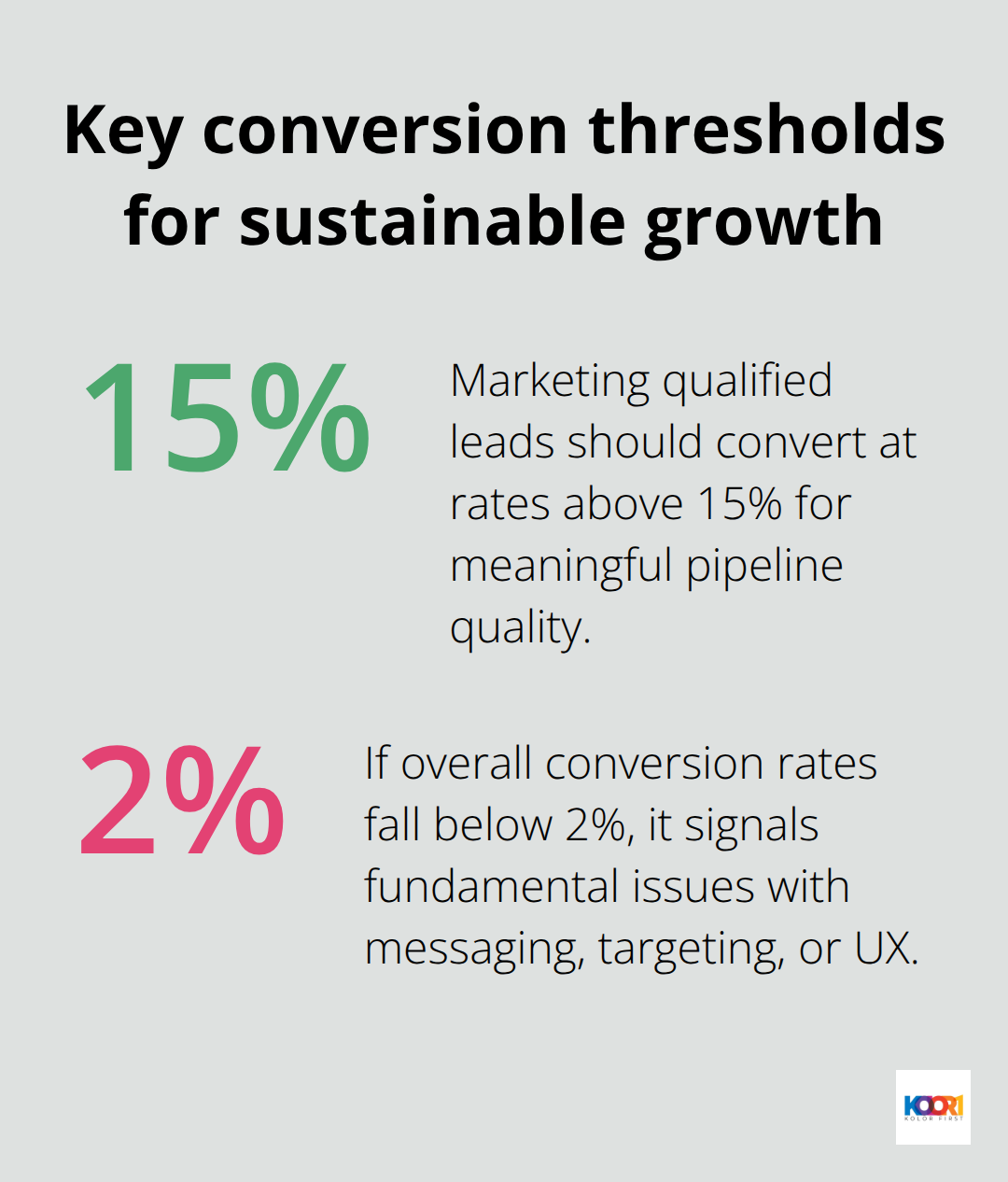
Customer lifetime value divided by acquisition cost should exceed 3:1 for sustainable growth. Anything lower indicates poor targeting or weak retention strategies. Marketing qualified leads matter only when they convert at rates above 15% (conversion rates below 2% signal fundamental problems with messaging, targeting, or user experience).
ROI Measurement Standards
Return on investment calculations must include all costs, including staff time and platform fees. Businesses that track these metrics weekly instead of monthly make faster adjustments and achieve better performance outcomes. The focus must stay on revenue impact rather than presentation-friendly numbers.
These foundational metrics provide the framework for smart decisions, but success depends on how you optimize each marketing channel to maximize these core measurements.
Which Channels Deliver the Highest ROI
SEO Drives Long-Term Revenue Growth
Search engine optimization generates the highest return on investment among digital marketing channels. Most marketers report that their average landing page conversion rate is less than 10%. Businesses that publish blog content consistently see 13 times more positive ROI than those that don’t. Target long-tail keywords with commercial intent rather than broad terms that attract browsers instead of buyers. Pages that load in under 3 seconds retain 40% more visitors, which makes site speed optimization essential for conversion rates. Technical SEO fixes like proper schema markup and internal linking structures boost rankings faster than content alone.
Paid Advertising Requires Surgical Precision
Facebook and Google Ads waste 76% of budget on audiences that never convert when targeting remains too broad. Narrow your audience to users who have visited competitor websites or engaged with similar products in the past 30 days. Lookalike audiences built from your highest-value customers reduce acquisition costs by 43% compared to interest-based targeting.
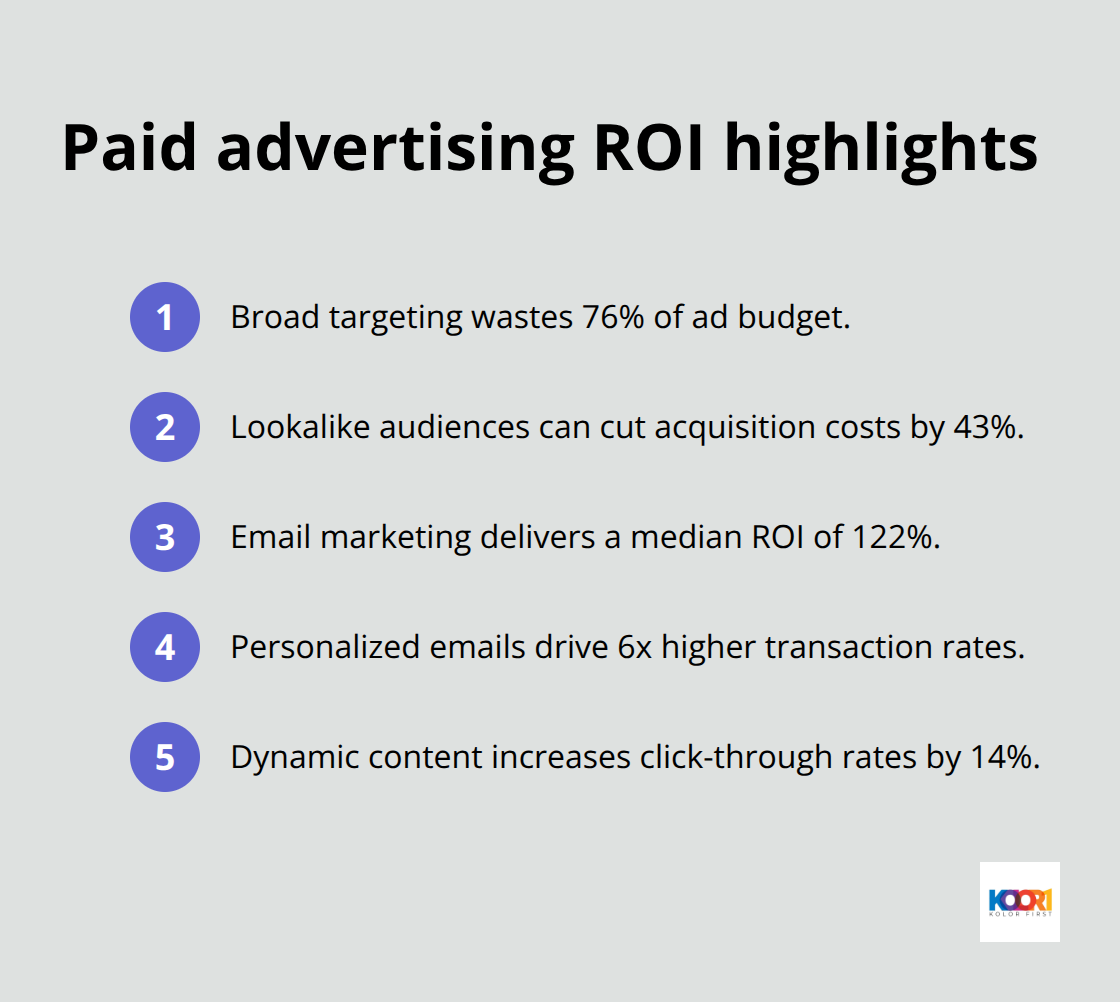
Email marketing remains one of the smartest, most cost-effective lead generation tools with a median ROI of 122%. Personalized email campaigns generate 6 times higher transaction rates than generic broadcasts, with dynamic content increasing click-through rates by 14% according to Experian research.
Social Media Performance Depends on Platform Strategy
Instagram Reels reach 22% more users than standard posts, while LinkedIn video content generates 5 times more engagement than text-only posts for B2B companies. TikTok advertising delivers an average return of $2.87 for every dollar spent among users aged 18-34. Micro-influencers with 1,000 to 10,000 followers achieve engagement rates of 7.2%, significantly higher than macro-influencers at 1.7%. User-generated content increases conversion rates by 29% when featured prominently on product pages and social proof sections.
These channel-specific strategies work best when you track their performance through proper analytics systems that reveal which tactics actually drive results.
How Data Transforms Marketing Performance
Proper tracking systems separate successful marketers from those who waste budget on ineffective campaigns. Google Analytics 4 combined with server-side tracking through Google Tag Manager improves data accuracy and website load times compared to basic pixel implementations. Most businesses lose 30% of conversion data due to iOS privacy updates and ad blockers, which makes first-party data collection through CRM integration essential. Set up conversion tracking for micro-conversions like email signups and content downloads, not just purchases. HubSpot research shows that companies that track 5-7 key metrics outperform those that track 20+ vanity metrics by 40% in revenue growth.
Testing Reveals What Actually Works
A/B testing budget allocation should represent 20% of total ad spend according to performance marketing experts. Test one variable at a time: headlines, images, or call-to-action buttons, never multiple elements simultaneously. Statistical significance requires minimum sample sizes of 1,000 visitors per variation for reliable results. Tests that win often improve conversion rates by 15-25%, while tests that lose teach valuable lessons about audience preferences.
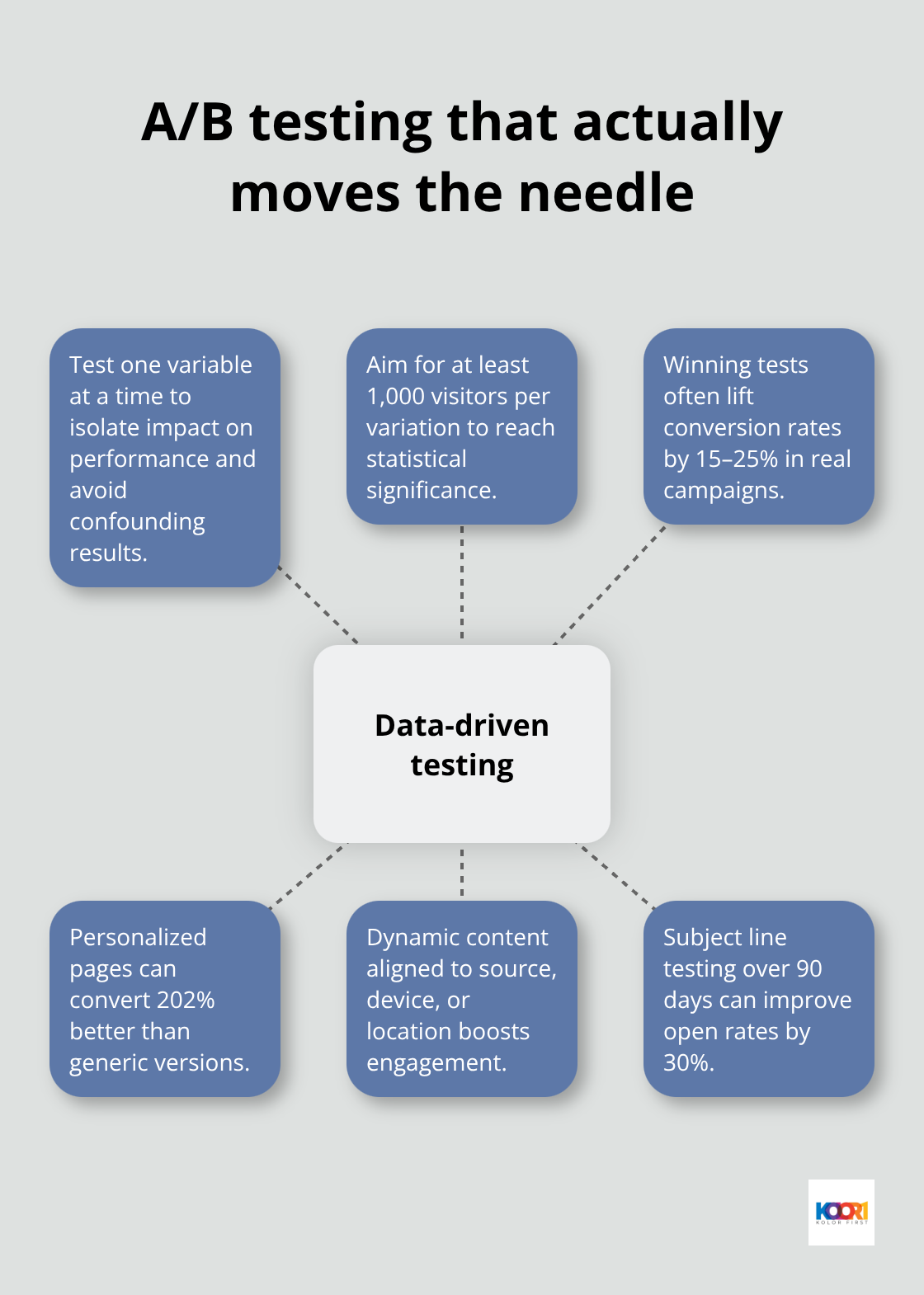
VWO data indicates that personalized pages convert 202% better than generic versions. Dynamic content based on traffic source, device type, or geographic location increases engagement rates significantly. Email subject line tests alone can improve open rates by 30% when you conduct them systematically over 90-day periods.
Strategy Built on Real Performance Data
Marketing mix models help measure channel impact and optimize budgets for better performance than those that use equal distribution across channels. Multi-touch attribution shows that customers interact with brands 6-8 times before they convert (which makes single-source attribution unreliable for budget decisions). Predictive analytics that use machine learning algorithms identify high-value prospects 3 times more accurately than demographic targets alone. Customer journey maps based on actual behavior data reduce acquisition costs while they improve retention rates through better timing and message strategies.
Final Thoughts
Marketing performance improvement demands systematic implementation of proven strategies rather than random experimentation. Companies that focus on revenue attribution, customer lifetime value, and proper ROI measurement achieve 40% better growth than those that track vanity metrics. Channel optimization through targeted SEO, precise paid advertising, and strategic social media campaigns maximizes budget efficiency while data-driven testing reveals what actually converts prospects into customers.
Implementation starts with proper tracking systems that capture first-party data and measure micro-conversions alongside sales. Allocate 20% of ad spend to systematic A/B testing while you build attribution models that show the complete customer journey. These ways to improve marketing performance compound over time as better data leads to smarter decisions and higher returns.
The long-term benefits extend beyond immediate revenue gains (businesses that embrace data-driven marketing reduce acquisition costs, improve customer retention, and scale more efficiently than competitors who rely on intuition). We at Kolorfirst LLC help businesses implement these performance strategies through innovative branding and digital marketing solutions that deliver measurable growth and competitive advantages in today’s data-driven marketplace.